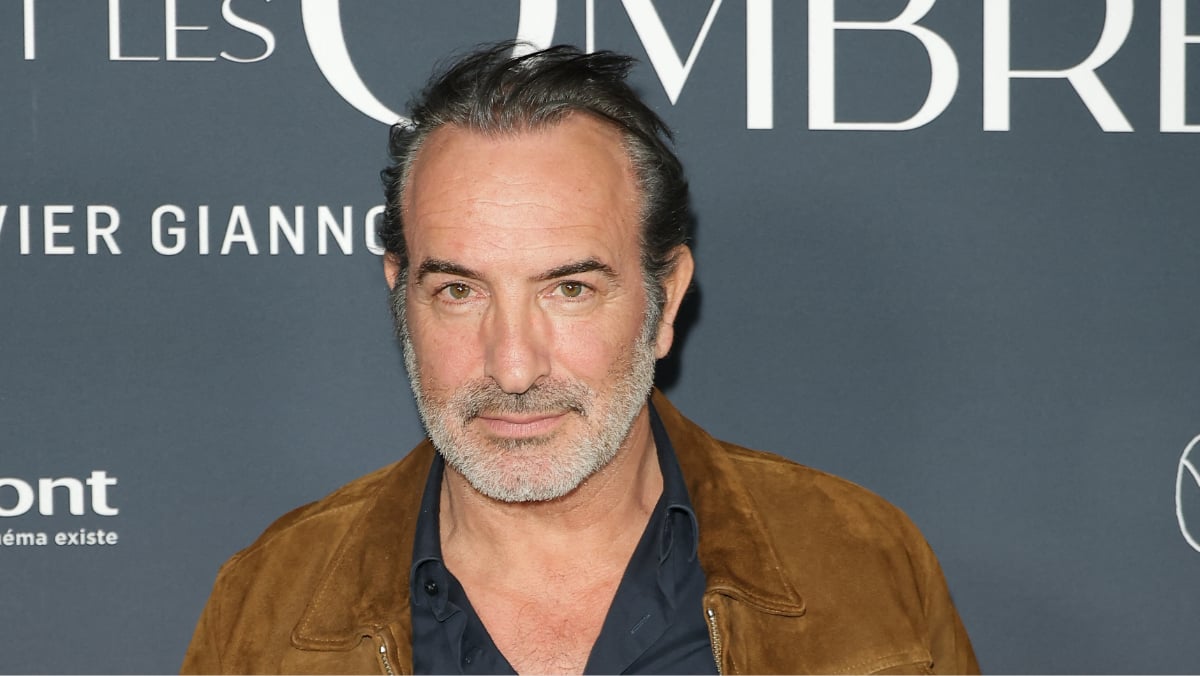
The Unsung Collaboration: How Bruno Salomone Helped Launch Jean Dujardin's Comedy Career
Jean Dujardin. The name evokes images of charming spies, iconic silent film stars, and a certain undeniable comedic flair that transcends language barriers. While his Oscar-winning performance in The Artist cemented his status as a global cinematic force, many might not realize the pivotal role a collaborative comedic journey played in shaping his early career. At the heart of this formative period was his partnership with fellow comedian Bruno Salomone, a relationship that laid the essential groundwork for Dujardin's unique comedic voice and eventual superstardom. The early days of Jean Dujardin Salomone working together were far more than just a footnote; they were the very bedrock of his ascent.
Before the red carpet premieres and international acclaim, Dujardin was a young, ambitious performer honing his craft in the vibrant, competitive world of Parisian stand-up and sketch comedy. It was in this fertile ground that fate intervened, bringing together a group of talents whose synergy would become legendary in French comedic circles. Understanding the profound impact of this initial collaboration is key to appreciating the full arc of Dujardin's remarkable career.
The Genesis of a Comedy Collective: Dujardin's Early Stand-Up and the Birth of Nous C Nous
Jean Dujardin's journey into the limelight began, as it often does for many comedians, on the intimate stages of bars and cabarets across Paris. Armed with self-penned comedic acts, he was tirelessly working to find his voice and connect with audiences. This period of raw, direct performance was crucial for developing his stage presence, timing, and an innate understanding of what makes people laugh.
The year 1995 marked a significant turning point. It was then that Dujardin met Bruno Salomone, along with Eric Collado, Emmanuel Joucla, and Eric Massot. This quintet shared a common passion for comedy and a complementary set of talents, leading to the formation of the iconic comedy group Nous C Nous. The name itself, playfully translating to "Us C Us" or "We C We," perfectly encapsulated their close-knit, self-contained creative dynamic.
The collaborative environment of Nous C Nous was a crucible for Dujardin's comedic development. In a group setting, performers learn to:
- Improvise and react: Quick thinking and adaptability are paramount in sketch comedy.
- Develop diverse characters: Each member often played multiple roles, expanding their range.
- Refine comedic timing: The interplay between performers is key to landing jokes.
- Hone writing skills: Collaborative brainstorming and script development sharpen comedic narratives.
The dynamic between Jean Dujardin Salomone within Nous C Nous was particularly potent. Salomone, himself a gifted comedian, likely pushed Dujardin to explore new facets of his comedic persona, offering feedback, support, and healthy competition. This peer-to-peer mentorship is invaluable in creative fields, fostering growth in ways that solo work often cannot. It was within this ensemble that Dujardin truly began to discover the nuanced expressions and physical comedy that would later become his trademark. For a deeper dive into this foundational period, explore Jean Dujardin's Early Days: The Nous Ç Nous Group with Bruno Salomone.
From Cabarets to Television: Nous C Nous on the National Stage
The talent of Nous C Nous was too big to remain confined to small venues. Their unique brand of humor, characterized by absurd sketches, relatable characterizations, and energetic performances, soon caught the attention of television producers. Their big break came with an appearance on the French talent show Graines de star. This national platform catapulted them from local fame to widespread recognition, giving audiences across France their first taste of the comedic brilliance that Dujardin and Salomone, among others, offered.
Transitioning from live cabaret to television brought new challenges and opportunities. Television demands a different kind of precision – tighter pacing, visual clarity, and the ability to project personality through a screen. Nous C Nous adapted seamlessly, demonstrating their versatility and professionalism. Their success on Graines de star opened doors to other television projects, including appearances in comedy shows like Fiesta and the TV series Farce Attaque in 1997-1998. These shows allowed them to further refine their televised sketch comedy, experiment with different formats, and build a loyal following.
The chemistry that the Jean Dujardin Salomone partnership brought to these early TV appearances was palpable. Their shared understanding of comedic rhythm and their ability to play off each other's energy made their sketches memorable and highly effective. This period of televised exposure was instrumental in building Dujardin's comfort and confidence in front of the camera, preparing him for the sustained television role that would soon make him a household name.
Expert Insight: The Power of Ensemble Comedy
Ensemble comedy groups like Nous C Nous offer invaluable training for aspiring actors. They teach the importance of listening, reacting, and sharing the spotlight. For Dujardin, working alongside Bruno Salomone and the others meant constant feedback, diverse perspectives, and a pressure-cooker environment that forged his skills quickly and effectively. It's a testament to the idea that true comedic genius often blossoms in collaborative soil before striking out on its own.
The "Loulou" Leap: How Early Collaborations Paved the Way for Stardom
While Nous C Nous provided a solid foundation, it was the French comedy television series Un gars, une fille that truly launched Jean Dujardin into superstardom. Beginning in 1999, Dujardin took on the role of Jean, affectionately known as "Loulou," opposite Alexandra Lamy's "Chouchou." The show, based on a Canadian series of the same name, depicted the hilarious, often mundane, and universally relatable everyday life of a couple.
Dujardin's experience with Nous C Nous, particularly his extensive work alongside talents like Bruno Salomone, was absolutely instrumental in his success as Loulou. The show's format – short, ten-minute episodes, with Dujardin appearing in an astonishing 439 episodes until 2003 – demanded incredible consistency, quick comedic turns, and a deep understanding of character. His background in sketch comedy and improvisation, honed through years with Salomone and the group, made him perfectly suited for the rapid-fire dialogue and physical comedy required. He wasn't just playing a character; he was embodying a comedic archetype with nuance and spontaneity.
The "Loulou" role was not an overnight sensation born out of nowhere; it was the culmination of years of diligent work, experimentation, and collaborative development. The comedic timing, the ability to transition seamlessly between exasperation and charm, and the subtle facial expressions that defined Loulou were all skills refined during his time with Nous C Nous. The training he received through the Jean Dujardin Salomone partnership was a direct pipeline to his effortless portrayal of Loulou, allowing him to connect with a massive public and demonstrate his immense talent on a grand scale. To explore more about this crucial transition, see Before Loulou: Jean Dujardin's Rise to Fame Began with Bruno Salomone.
Beyond Nous C Nous: The Lasting Influence of Bruno Salomone
After the immense success of Un gars, une fille, Jean Dujardin's career trajectory soared, leading him to critically acclaimed roles in films like OSS 117: Cairo, Nest of Spies, and eventually, the international triumph of The Artist. While his path diverged from his early collaborators, the foundational lessons and experiences from his time with Bruno Salomone and Nous C Nous remained deeply embedded in his artistic DNA.
The skills he cultivated – improvisation, character development, an innate sense of comedic rhythm, and the discipline of ensemble work – became the bedrock of his versatile acting prowess. Even in dramatic roles, Dujardin often brings a subtle comedic timing or a compelling physicality that can be traced back to his sketch comedy roots. Bruno Salomone, too, continued to have a successful career in French comedy and acting, solidifying his own reputation as a talented performer.
The relationship between Jean Dujardin Salomone exemplifies how early collaborative partnerships, even if temporary, can have a profound and lasting impact on an artist's career. It’s a powerful reminder that few artists achieve greatness in isolation. The synergy, challenges, and shared creative energy of a group can shape an individual’s signature style in indelible ways. For aspiring actors and comedians, this story offers a vital lesson: actively seek out peers who inspire you, form groups, create together, and embrace the collaborative journey. The skills you hone and the bonds you form in those early stages can be the most valuable assets in your long-term professional development.
Conclusion
The incredible career of Jean Dujardin, from French television sensation to Oscar-winning international star, is a testament to talent, hard work, and the serendipitous connections forged early on. His formative years alongside Bruno Salomone and the rest of Nous C Nous were far more than just a stepping stone; they were the essential training ground where his comedic genius was nurtured and refined. The collaborative spirit, the rigorous practice of sketch comedy, and the invaluable peer interaction within the group provided Dujardin with the precise tools he needed to conquer both the small screen and the silver screen. While Jean Dujardin stands as a global icon today, his success is undoubtedly built upon the strong, creative foundation laid by his early partnership with Bruno Salomone, a collaboration that truly helped launch his unforgettable comedic career.